
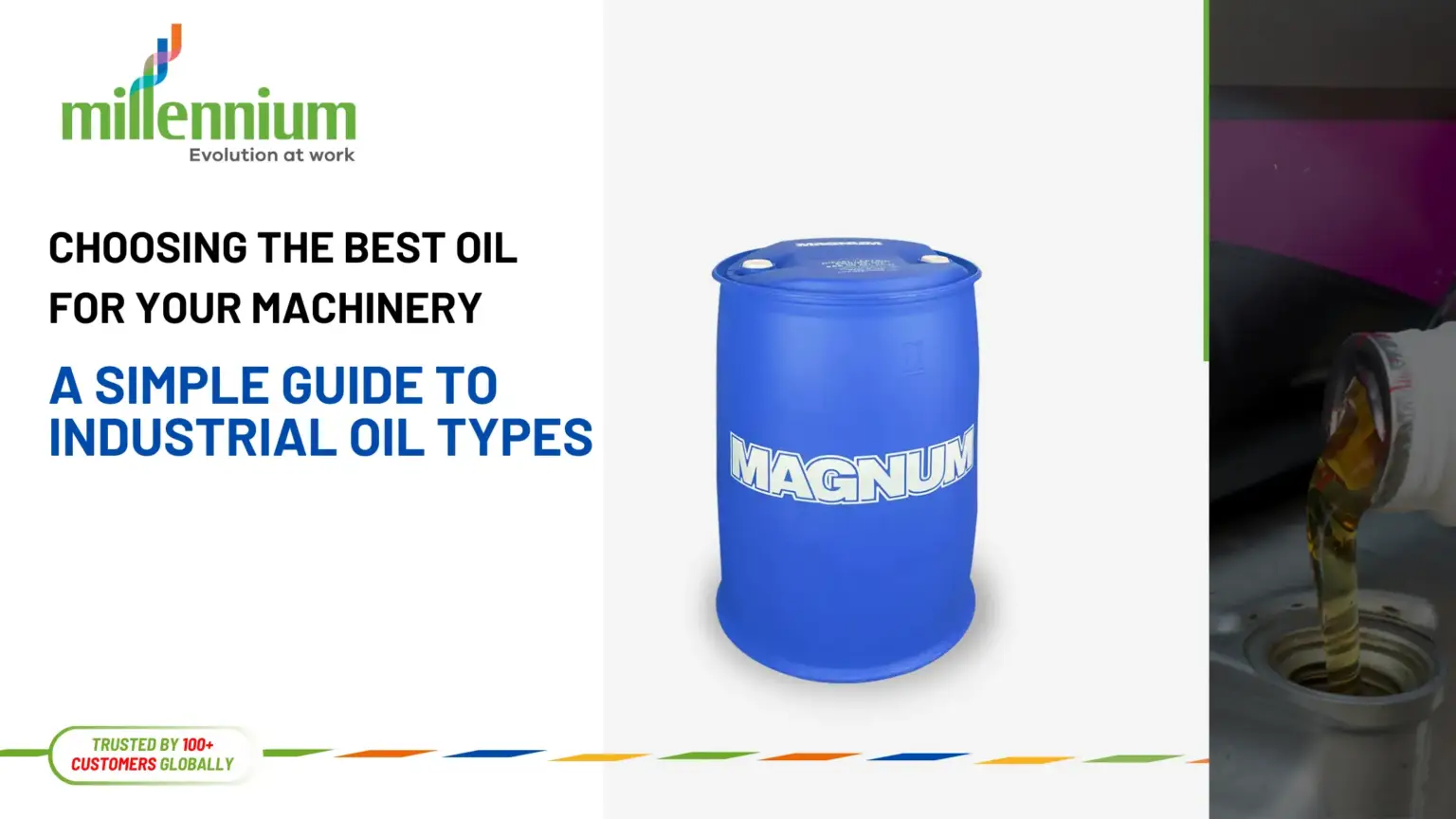
Diesel engine oil plays a critical role in the optimal performance and longevity of industrial machinery. Selecting the appropriate oil ensures machinery operates efficiently, reduces wear and tear, and minimizes downtime. This guide covers everything you need to know about industrial oil, its significance, and how to choose the right one for your needs.
Understanding Industrial Oil
What is Industrial Oil and Its Significance in Machinery Operation?
Industrial oil is a lubricant specifically designed to reduce friction, wear, and overheating in machinery. It acts as a protective layer between moving parts, ensuring smooth operation. Industrial oils are essential in various applications, including hydraulic systems, compressors, gearboxes, and turbines. Their primary functions include:
- Lubrication: Reduces friction and wear between moving parts.
- Cooling: Dissipates heat generated by machinery operations.
- Protection: Prevents corrosion and rust on metal surfaces.
- Cleaning: Keeps machinery free from contaminants and deposits.
Without proper lubrication, machinery can suffer from increased wear, overheating, and eventual failure, leading to costly repairs and downtime.
How to Choose the Right Industrial Oil?
How to Choose the Right Engine Oil – involves understanding your machinery’s specific requirements and matching them with the oil’s properties. Here’s a step-by-step guide to help you make the best choice:
- Refer to the Manufacturer’s Guidelines: Always start with the machinery manufacturer’s recommendations. They provide detailed specifications on the type of oil best suited for your equipment.
- Understand the Oil Viscosity: Viscosity is a crucial factor. It determines the oil’s thickness and its ability to flow at different temperatures. Choose an oil with the right viscosity grade as per the operational temperature range of your machinery.
- Check for Additives: Additives enhance oil performance by providing extra protection against wear, oxidation, and corrosion. Common additives include anti-wear agents, detergents, and anti-foaming agents.
- Evaluate the Operating Environment: Consider the working conditions such as temperature extremes, humidity, and load variations. Oils with higher thermal stability and oxidation resistance are preferred for harsh environments.
- Assess Compatibility: Ensure the oil is compatible with the materials used in your machinery, such as seals, gaskets, and hoses.
- Analyze Oil Performance and Testing Standards: Look for oils that meet industry standards like ISO, ASTM, and API. These certifications ensure the oil has been tested for performance and reliability.
Factors to Consider for Choosing Industrial Oil
Several factors play a role in selecting the right industrial oil:
- Type of Machinery: Different machines require different types of oils. For instance, hydraulic systems need hydraulic oils, while gearboxes need gear oils.
- Load and Speed: Heavy loads and high-speed operations require oils with higher film strength and anti-wear properties.
- Temperature Range: Oils should maintain their properties within the operating temperature range of the machinery.
- Oil Life and Maintenance Intervals: Consider oils with longer life spans to reduce maintenance frequency.
- Environmental Impact: Biodegradable and environmentally friendly oils are preferable for reducing ecological impact.
Working of Industrial Oil
Industrial oil works by creating a thin film between moving parts, reducing metal-to-metal contact. This film lowers friction, prevents overheating, and protects against wear and corrosion. The oil’s additives help maintain cleanliness by dispersing contaminants and preventing sludge formation.
Industrial Oils: Uses and Applications
Industrial oils are used across various sectors:
- Hydraulic Systems: For smooth and efficient operation of hydraulic machinery.
- Gearboxes and Transmissions: To handle high loads and reduce wear.
- Compressors: For cooling and lubrication of compressor parts.
- Turbines: Ensuring reliable operation in power generation.
- Manufacturing Equipment: Reducing downtime and improving efficiency in production lines.
Importance of Proper Industrial Oil Maintenance
Maintaining industrial oil is crucial for ensuring machinery longevity and efficiency:
- Regular Oil Analysis: Conduct periodic oil analysis to monitor the condition and detect contaminants early.
- Scheduled Oil Changes: Follow a strict maintenance schedule for oil changes to avoid degradation.
- Filter Maintenance: Replace filters regularly to keep the oil clean and free from particulates.
- Storage and Handling: Store oil properly in a clean, dry place to prevent contamination.
The importance of proper industrial oil maintenance not only extends the life of the oil but also ensures that machinery runs smoothly and efficiently, reducing overall operational costs.
Conclusion
Selecting the right diesel engine oil is vital for the efficient and reliable operation of industrial machinery. By understanding the types of industrial oil, factors to consider in selection, and the importance of proper maintenance, you can ensure your machinery operates at peak performance, prolonging its lifespan and reducing downtime.

 English
 Arabic
 French
 Spanish
 Portuguese
 Deutsch
 Turkish
 Italiano
 Russian
 Romaian
 Portuguese (Brazil)
 Greek
Greek